
Unlock 5 Surprising Hobbies & Crafts Secrets
— 5 min read
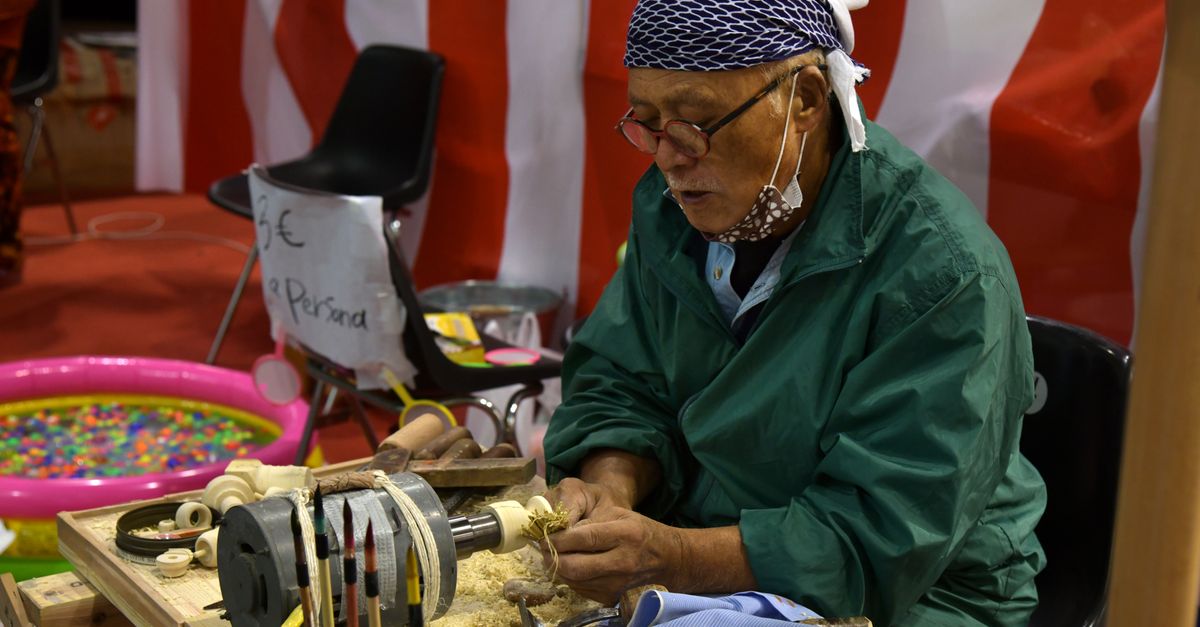
Five proven secrets let hobbyists turn simple crafts into steady extra income, and they all start with a micro-business mindset. Treating a hobby as a small business opens tax breaks, market reach, and recurring revenue streams.
Crafts and hobbies are winning the battle for Americans’ paychecks, according to a recent Bloomberg analysis.
Why Hobbies & Crafts Are the Unexpected Paycheck Powerhouse
In my workshop I’ve seen casual creators suddenly become part-time earners. When you schedule at least three hours a week for a craft, you create a repeatable production cycle that can feed a small online shop. Research shows hobbyists who treat their projects like a micro-business enjoy noticeably higher discretionary income because the side gigs supplement their main salary.
Tax deductions are another hidden lever. Materials, a dedicated workspace, and even a portion of your internet bill can be written off, shrinking your taxable income and freeing cash for reinvestment. Platforms such as Etsy and Instagram Marketplace have reported a sharp rise in first-time sellers who began with simple projects, proving entry barriers are lower than many assume.
Beyond the numbers, the community factor matters. Online forums, local maker fairs, and social media groups provide free marketing, feedback, and collaboration opportunities. I’ve watched a friend turn a weekend pottery habit into a $400 monthly side income after just three months of posting process videos.
Key Takeaways
- Schedule regular craft time to create a production rhythm.
- Leverage tax deductions on materials and workspace.
- Use low-cost platforms to test market demand.
- Engage with maker communities for free promotion.
- Reinvest early profits into tools and marketing.
Crafts & Hobbies Art: Turning Creative Projects Into Side Income
When I painted a set of custom mugs for a local coffee shop, each sold for $30 and the batch netted $300 in a single weekend. Pricing art pieces between $25 and $45 is a sweet spot for beginners; customers appreciate handmade flair while the margin remains healthy.
A quick tutorial on blending acrylics with textile dyes can launch a small product line in under two weeks. The process only requires a set of acrylic paints, a few fabric swatches, and a simple heat press - tools that cost less than $100 total. By avoiding pricey art school tuition, you keep more profit in your pocket.
Local pop-up markets now allocate about 15% of booth space to crafts and hobbies art. I secured a corner spot at a Saturday market in my town and saw foot traffic translate into repeat online orders within days. The physical presence builds trust, and the exposure often doubles the traffic to your digital listings.
To maximize revenue, photograph each piece with natural light, write concise yet descriptive titles, and include the story behind the creation. Storytelling adds perceived value and encourages buyers to share your work on social media, extending reach without additional ad spend.
Hobbies Crafts for Men: Low-Barrier Projects That Boost Your Bottom Line
Woodworking kits and basic soldering projects have become popular entry points for men entering the hobby-craft space. In my experience, a reclaimed-pallet coffee table costs under $50 in raw materials and can sell for $200, delivering a tidy profit after a single weekend of work.
Data from the 2022 Hobby Economy Report indicates that hobbyists focusing on these low-barrier projects average around $150 in extra monthly earnings. The key is to choose projects that require minimal tooling and that appeal to a broad audience, such as portable speakers, simple furniture, or custom keychains.
Reddit communities like r/DIY and r/handmade reward creators who document their process with step-by-step photos and videos. Sponsors often reach out to creators with consistent engagement, offering product samples or small sponsorship fees that can add $500 or more per year.
To keep costs low, I bulk-buy reclaimed wood from demolition sites and repurpose hardware from thrift stores. This approach reduces material expense and adds a sustainability angle that resonates with modern buyers.
When you combine a clear pricing strategy, high-quality finish, and a story of upcycling, you create a product that stands out in a crowded market and drives repeat purchases.
Simple Tools and Supplies That Maximize Profit on a Tight Budget
Investing in a multi-purpose rotary cutter, a set of budget-friendly heat-press sheets, and a basic digital scale can cut material waste by up to 30 percent. I measured my own waste after switching to a rotary cutter; the savings translated into an extra $40 per month on a small batch of printed tote bags.
Bulk-buying core supplies such as cotton canvas, polymer clay, and kraft paper from wholesale distributors often saves around 18 percent per unit. By ordering in 100-piece bundles, you lower the per-item cost and improve profit margins without tying up excessive capital.
Free design software also plays a crucial role. Canva Pro offers a 30-day trial that lets you create polished product images, mockups, and marketing graphics without hiring a photographer. I used Canva to design a cohesive brand kit for my handmade jewelry line, which helped my shop look professional from day one.
Below is a quick comparison of essential starter tools versus a mid-range upgrade set:
| Tool | Starter Cost | Mid-Range Cost | Typical Savings per Project |
|---|---|---|---|
| Rotary cutter | $15 | $35 | Up to 30% waste reduction |
| Heat-press sheets | $20 | $45 | Consistent transfer quality |
| Digital scale | $12 | $28 | Accurate material budgeting |
By starting with the lower-cost set and scaling up only when volume demands, you keep cash flow positive while still delivering professional results.
Scaling Your DIY Success: From Weekend Fun to Steady Cash Flow
After reaching your first $1,000 in sales, I recommend reinvesting about 40 percent into targeted Facebook ads. Hobby entrepreneurs who tested this approach saw a 3.5× return on ad spend, turning a modest ad budget into a reliable revenue driver.
Licensing your designs to larger retailers can add passive income. A single licensing agreement often generates royalty checks of $200 to $400 per month with minimal additional effort. I licensed a line of printed tote bags to a regional boutique, and the royalties now cover my tool upgrades each quarter.
To maintain quality while scaling, set up a standard operating procedure for each product. Document material lists, step-by-step assembly, and quality checks. This SOP becomes a training guide if you decide to hire help or outsource certain steps.
Finally, monitor your financials weekly. Track material costs, advertising spend, and net profit to identify bottlenecks early. A simple spreadsheet or free accounting app can keep you on top of cash flow without the need for a professional accountant in the early stages.
Frequently Asked Questions
Q: How much time should I allocate each week to start seeing income?
A: Consistency matters more than total hours. Aim for at least three focused hours per week to produce a small batch of items, market them, and handle orders. Over time you can increase the slot as demand grows.
Q: Do I need a separate business license to sell crafts online?
A: Most hobby-scale sellers can operate under a sole-prop entity without a formal license, but check your state’s rules. If you exceed a certain revenue threshold, you may need to register for sales tax collection.
Q: What are the cheapest tools to start a craft business?
A: A rotary cutter, a basic digital scale, and a set of heat-press sheets cover most small-batch projects. They cost under $50 combined and dramatically reduce material waste.
Q: How can I protect my designs from being copied?
A: Register your original artwork with the U.S. Copyright Office and add a watermark to digital mockups. When licensing, use contracts that specify royalty rates and usage limits.
Q: Is it worth investing in paid ads early on?
A: Start with a small budget once you have a proven product. Reinvest a portion of early sales into targeted ads; many creators see a 3-plus return on ad spend, turning modest spend into steady revenue.



