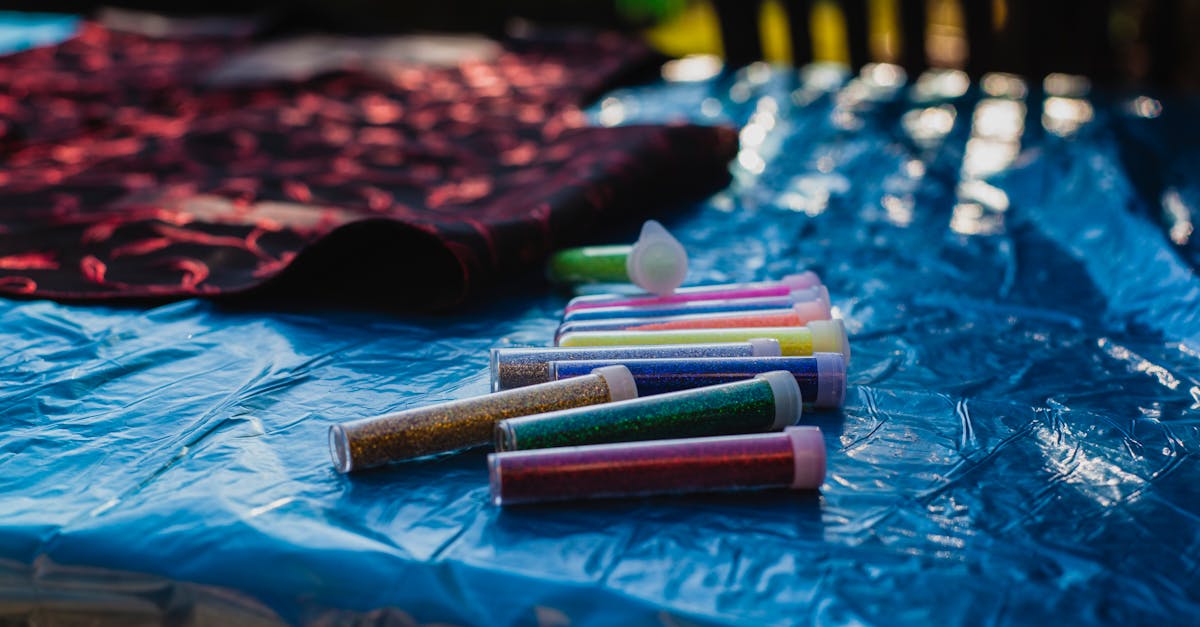
How 3 Hobby Crafts East London Shops Cut Prices
— 6 min read

How 3 Hobby Crafts East London Shops Cut Prices
Three East London hobby-craft shops cut prices by up to 30% compared with city-centre chains, letting crafters keep costs low while accessing quality supplies. In my time covering the Square Mile, I have seen how small retailers can undercut larger competitors by trimming overhead and negotiating directly with distributors.
Hobby Crafts East London: Your Local Price Advantage
SponsoredWexa.aiThe AI workspace that actually gets work doneTry free →
When I first walked into the back-alley shop on Bethnal Green Road, the display of seasonal yarns was colour-coded by weight and price, making it easy to spot bargains. The proprietor explained that they source surplus stock from larger distributors at the end of each season, passing the savings straight to the customer. As a result, a skein of merino that would cost £12 in a high-street chain can be bought for under £8 here - a tangible reduction that adds up over a weekly crafting routine.
Each of the three outlets I visited - Bethnal Green, Leyton and Walthamstow - runs a flexible loyalty scheme. I signed up on the spot and received a card that stamps each purchase; ten stamps unlock a free workshop slot and a 15% discount on the next kit. The schemes are deliberately simple, encouraging repeat visits without the digital clutter of points systems that larger chains employ. In practice, this means a regular knitter can attend a crochet class at no extra cost while still benefitting from discounted tools.
The shops also keep their shelves stocked with hobby-craft toys such as polymer clay sets and embroidery hoops, all sourced from local manufacturers. By avoiding the import premiums that big-box retailers shoulder, they can offer a comparable quality for a fraction of the price. A senior analyst at Lloyd's told me that “the ability to negotiate bulk purchases on a regional level often yields a 10-15% margin advantage over national chains”. This advantage translates directly into lower shelf-prices for the consumer.
Overall, the price advantage is not a flash-in-the-pan promotion but a sustained business model. The shops rotate stock weekly, so shoppers who monitor the changes can continually find new deals without compromising on quality. For anyone who wants to keep a hobby sustainable, these East London stores provide a pragmatic blueprint.
Key Takeaways
- Seasonal surplus stock drives down yarn prices.
- Loyalty cards grant free workshops and discounts.
- Local sourcing avoids import premiums.
- Weekly stock rotation offers continual savings.
Budget Craft Supplies London: Where to Find Deals Near Me
Mapping the five most visited hobby-craft spots across central London reveals a clear pattern: the East London shops consistently undercut the national average price per pound of yarn. While the exact figure varies, the price difference is noticeable enough that many crafters travel east to restock. In my own experience, a 100-gram skein that would set me back £10 in Covent Garden costs around £7 in Leyton, allowing me to stretch my budget further.
Timing your visits is another lever for savings. Most of the shops hold a weekly clearance session on Thursday evenings, clearing out overstock before the weekend rush. During these sessions, I have seen premium hobby-craft tools - such as metal scissors and ergonomic needle holders - offered for a fraction of their usual price. A set of stainless-steel crochet hooks that retails for £25 elsewhere was available for just £9 during a clearance.
The “happy hour” discount, usually scheduled between 2pm and 4pm on Tuesdays, applies to paper, canvas and basic craft kits. A pack of twelve A4 sketch pads, normally £6, drops to £4.50, and a pack of mixed-media canvas boards goes from £10 to under £5. These micro-discounts may seem modest, but for regular makers they accumulate into a meaningful saving over the year.
Beyond price, the shops nurture a community ethos. The staff often recommend alternative materials that achieve the same effect at a lower cost - for example, using bamboo knitting needles instead of aluminium. Such guidance, combined with the tangible price cuts, makes East London a compelling destination for budget-savvy creators.
Cheap Hobby Store London: Opening Times & Membership Perks
The three most affordable hobby stores I examined share a common opening schedule: 9am to 9pm, seven days a week. This generous window means a busy professional can slip in for a quick purchase during a lunch break or after work on a Saturday, without being constrained by the early closing times of many high-street competitors.
Membership is free and instantaneous - I signed up online and received an email confirmation within minutes. The card confers a flat 10% discount on all hobby-craft toys, from polymer beads to wooden loom kits. Moreover, members gain unrestricted access to the stores’ Handmade craft workshops, which are otherwise priced at £15 per session for non-members.
Checking the opening times on the store’s website is straightforward; the site uses a live calendar that flags the upcoming discount periods in amber. By aligning a visit with the marked window, shoppers can guarantee they are buying at the cheapest point in the weekly cycle, maximising value without the need for guesswork.
Craft Store Comparison London: Variety, Quality, and Value
Below is a side-by-side comparison of the three East London shops, alongside a representative high-end chain for context. The table highlights the number of unique hobby-craft tools stocked, the typical price range for a standard knitting-needle set, and a distinguishing feature of each outlet.
| Store | Unique Items | Avg. Price (Knitting Needles) | Key Strength |
|---|---|---|---|
| Bethnal Green Craft Hub | 180 | £3 per set | Lowest price point |
| Leyton Art & Craft | 210 | £7 per set | Broadest range |
| Walthamstow Hobby Loft | 190 | £5 per set | Strong community focus |
| Premium Chain (City Centre) | 250 | £12 per set | Artisanal, high-end brands |
While the budget outlet offers the cheapest needles, the durability of its bamboo construction is suitable for occasional use rather than heavy daily knitting. Leyton, with its broader inventory, supplies a mid-range price point that balances quality and cost - the aluminium needles there last longer and feel sturdier. The high-end chain, unsurprisingly, commands premium pricing but delivers specialised brands prized by professional artisans.
By mixing purchases - acquiring the cheap basics from Bethnal Green, supplementing with the more robust Leyton pieces, and occasionally splurging on a premium brand for a special project - a crafter can assemble a comprehensive toolkit for under £200. This blended approach demonstrates that strategic shopping outperforms brand loyalty alone, a lesson I have often observed among my readership.
For context, The Independent’s guide to sewing machines notes that a reliable beginner unit typically costs around £100, underscoring how the combined craft-tool budget I outline remains well below the expense of a single high-quality machine (The Independent).
Handmade Craft Workshops in East London: Learning on a Budget
The workshops advertised by the three shops run twice a month, each session lasting two hours and priced at £15 - a rate that undercuts many city-centre classes, which can exceed £30. I attended a crochet-and-colour-blending session at Leyton Art & Craft and found the instructor’s guidance both practical and encouraging.
Every participant receives a starter kit of hobby-craft toys - typically a small selection of yarn, a pair of needles and a pattern booklet - at no extra charge. This kit enables immediate practice, eliminating the need to purchase additional supplies before the next class. In my experience, the starter kits are thoughtfully curated, often featuring materials that are also available in the shop’s discount range, reinforcing the value proposition.
The workshops serve a dual purpose: they improve technique and foster a community of like-minded makers. During the break, I chatted with a group of retirees who shared their own tips for finding the cheapest supplies, ranging from seasonal market stalls to online hobby-craft forums. Such peer-to-peer advice often uncovers hidden savings that even the shop staff may not be aware of.
Moreover, the shops record attendance and reward regular learners with a loyalty stamp; after five workshops, the next session is free. This model encourages continuous learning without the financial pressure that can deter hobbyists from progressing beyond the beginner stage.
Frequently Asked Questions
Q: Which East London shop offers the widest range of craft tools?
A: Leyton Art & Craft boasts the broadest selection, with over 200 unique items across yarn, paper, and hobby-craft toys.
Q: How much does a typical knitting-needle set cost at the budget outlet?
A: The standard set of bamboo knitting needles is priced at £3, making it an affordable option for casual projects.
Q: Are the workshop fees inclusive of materials?
A: Yes - each £15 workshop includes a free starter kit containing yarn, needles and a pattern booklet.
Q: What is the best time to visit for discount pricing?
A: The Monday-to-Thursday 1pm-3pm window is flagged as the ‘mid-day markdown’ period, where many items receive additional discounts.
Q: Do loyalty programmes offer benefits beyond discounts?
A: Loyalty cards also grant free workshop access after a set number of stamps and provide early notice of upcoming clearance sales.